Academics
Academics
Today’s Students are Tomorrow’s Leaders!
Today’s Students are Tomorrow’s Leaders!
NGA partnered with a leading educational publishing company that offers a wide range of curriculum materials and educational resources for students, teachers, and institutions across various academic levels. Their curriculum encompasses diverse subjects and educational levels, catering to both K-12 education and higher education.
NGA’s Commitment to Data-Informed Instruction
At NGA, we believe that strong data assessment and consistent data collection are essential to supporting every student. By using reliable, research-based tools, we ensure that each student receives instruction tailored to their specific literacy needs. Below are the assessments we use to guide instruction in reading, phonics, and foundational literacy skills.
Developmental Spelling Analysis (DSA)
Used for Grades K–6, the DSA evaluates students’:
-
Word study knowledge
-
Phonics and phonemic awareness skills
-
Spelling patterns and developmental stages
This assessment provides clear insight into how students understand and apply word structures.
Phonics Survey
Designed for PreK, Kindergarten, 1st grade, and any students who missed the end-of-year benchmark, this survey assesses:
- Alphabet recognition
- Letter–sound knowledge
It helps identify early literacy strengths and gaps to ensure students build a strong foundation.
UFLI Foundations Intervention Placement Test
For 2nd–6th grade struggling readers or students needing additional support, this assessment places learners into the appropriate UFLI intervention level. It focuses on:
-
Phonics mastery
- Decoding ability
- Foundational reading skills
This ensures that intervention is precise, targeted, and effective.
Benchmark Reading Assessment
Administered to Grades K–6, this assessment evaluates:
- Reading fluency
- Comprehension
- Overall reading proficiency
The results guide instruction and help us monitor each student’s reading growth throughout the year.
Sight Words Inventory
Used for Grades K–2 with both new and returning students, this inventory measures:
-
High-frequency word recognition
- Automaticity with essential sight words
This data supports teachers in strengthening early reading fluency and accuracy.
Using Data to Support Every Student
By integrating these assessments into our literacy program, we ensure that every child receives instruction that meets their needs. Data-driven teaching allows us to provide targeted support, meaningful interventions, and a clear, measurable path toward reading success.
Academic Subjects
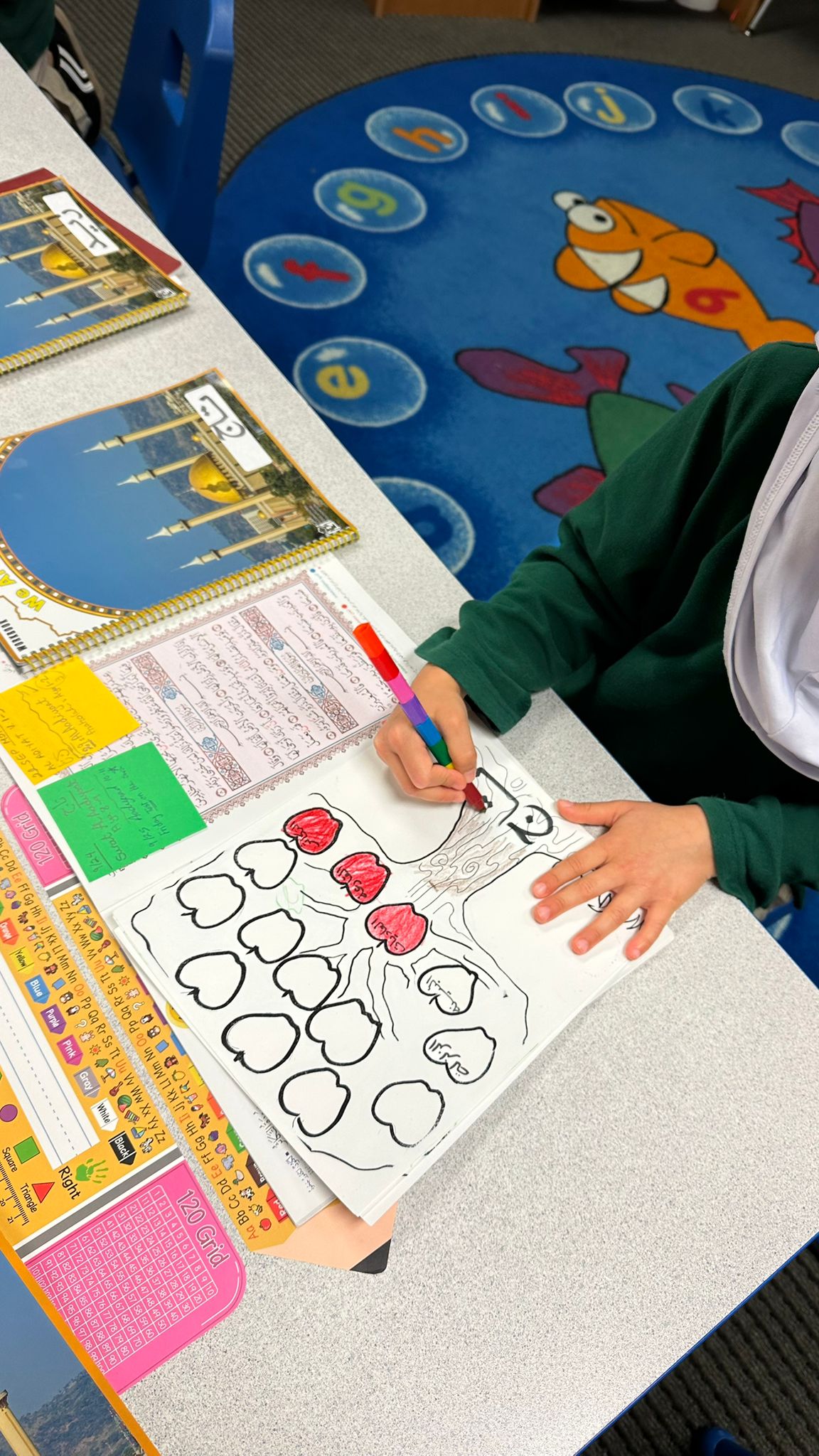 Noble Garden Academy’s Integrated Approach to Arabic Excellence
At Noble Garden Academy, our Arabic program is designed to nurture confident, capable learners who can understand and use the language of the Qur’an with clarity and purpose. Our curriculum follows an integrated, skill-building model that supports students—especially non-native speakers—through every stage of their language journey.
Holistic Language Development
We teach Arabic as a living, functional language by developing listening, speaking, reading, and writing skills together. Students progress through structured stages—Preliminary, Beginner, Intermediate, and Advanced—ensuring steady growth and meaningful fluency.
Strong Foundations in Qur’anic Reading
A central goal of our program is helping students read and recite the Qur’an with proper pronunciation. Early levels focus on mastering:
- The Arabic alphabet
- Phonetics and articulation
- Foundational rules of reading
These skills prepare students for accurate, confident Tajweed as they advance.
Engaging and Modern Teaching Methods
Our classrooms use a variety of interactive and modern tools, including:
- Hands-on activities
- Audio and visual resources
- Real-life language applications
These methods make learning Arabic enjoyable, meaningful, and connected to students’ everyday experiences.
Rooted in Islamic Values
At Noble Garden Academy, language learning is inseparable from character development. Lessons naturally incorporate Islamic morals and etiquette—such as kindness, respect, cleanliness, and gratitude—helping students embody the values taught in the Qur’an and Sunnah.
Clear, Step-by-Step Progression
Each level of our curriculum is thoughtfully aligned with students’ developmental stages. We define clear benchmarks for Arabic proficiency, helping families and teachers track growth and celebrate success at every step.
Comprehensive Learning Resources
Students and teachers benefit from a complete set of materials, including textbooks, workbooks, and instructional guides. This ensures a structured, well-supported learning experience throughout the program.
Learning Through Meaningful Context
Arabic at Noble Garden Academy is taught within the rich context of Islamic studies—Qur’anic stories, history, and foundational concepts of faith and practice. This approach deepens students’ appreciation of the language and connects their learning to real spiritual and cultural significance.
Seerah for Inspiration and Identity
Students learn from the life of the Prophet Muhammad (peace be upon him) in age-appropriate ways, exploring key events, lessons, and character traits. Seerah lessons connect deeply with Arabic learning by showing students how language, faith, and identity come together in the example of the Prophet.
Progressive Fiqh Lessons
Our curriculum includes a gradual, development-based approach to Fiqh. Younger students learn foundational practices such as cleanliness, prayer, and basic manners, while older students explore more detailed rulings and ethical principles. This progression helps students understand their faith in a way that grows with them—clear, relevant, and grounded in authentic sources.
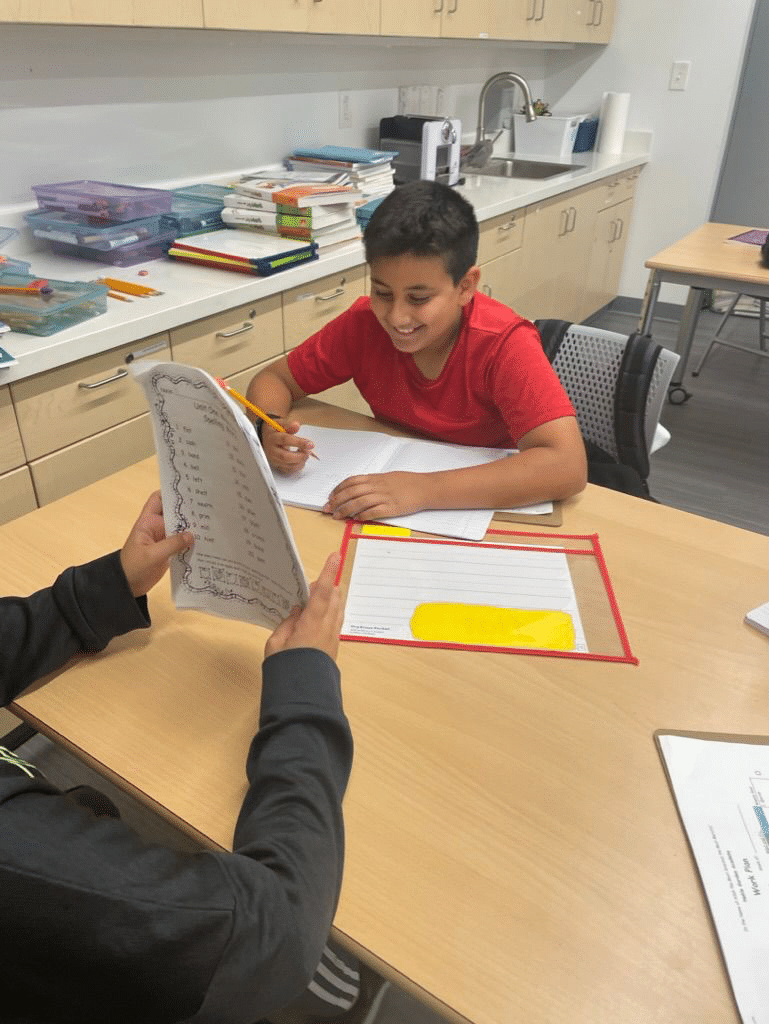
The Focus of Our LA Block: Reading, Word Study, and Writing
At the heart of our Language Arts (LA) program is a commitment to building strong, confident readers and writers. Our LA Block is intentionally designed to support literacy growth through three key components: Reading, Word Study, and Writing.
Word Study (PreK–6th Grade)
Our Word Study program equips students with the foundational skills needed to become successful readers and writers. Through explicit instruction, hands-on activities, and meaningful practice, students grow in their understanding of:
- Phonological and phonemic awareness
- Phonics and decoding
- Vocabulary development
- Spelling patterns and word analysis
This structured approach deepens students’ understanding of how words work and strengthens their literacy development across all subject areas.
UFLI (PreK–2nd Grade)
For our youngest learners, we use the UFLI (University of Florida Literacy Institute) Foundations program. This research-based, systematic approach focuses on:
- Early phonics instruction
- Sound–symbol relationships
- Blending and segmenting
- High-frequency word recognition
- Reading fluency and comprehension
UFLI provides the strong foundation early readers need to progress confidently through later grades.
Building Confident Readers & Writers
By combining strong reading instruction, intentional word study, and structured writing practice, our LA Block supports literacy growth at every grade level. From PreK through 6th grade, students gain the tools they need to think critically, communicate clearly, and enjoy the world of reading and writing.
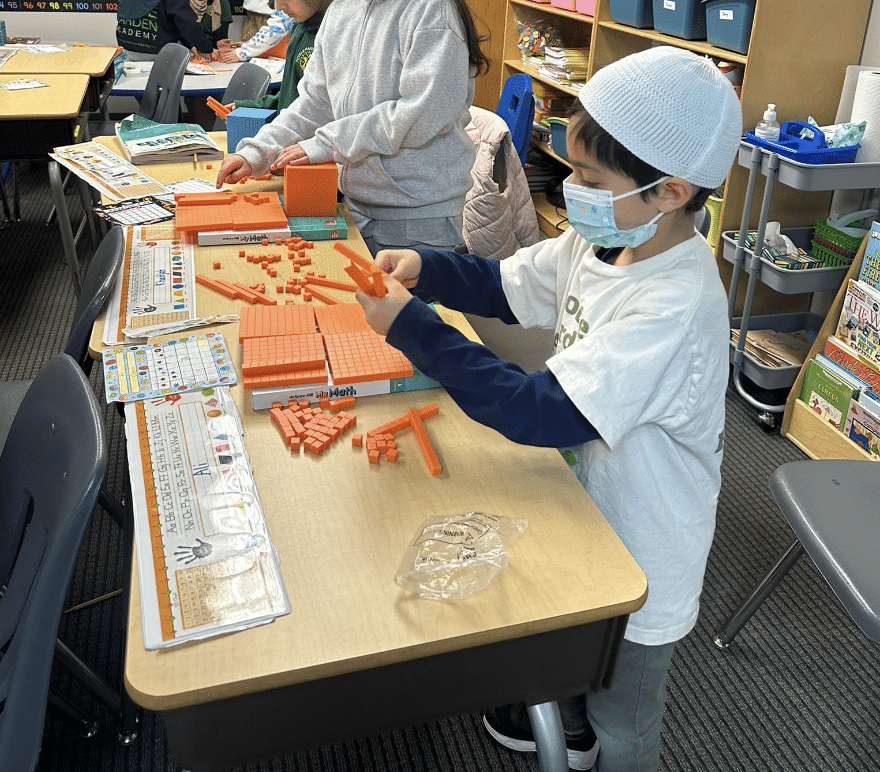 Building Math Skills for Life
Our math curriculum not only instructs students within the classroom but also equips them with skills applicable in real-life scenarios.
We aim to empower students by encouraging ownership of their learning process, featuring fresh content, and utilizing instructional designs that foster curiosity and exploration.
Key features of the Two-Volume Student Editions include:
- Chapter Performance Tasks
- Real-world problem-solving opportunities
- Utilization of foldables and vocabulary cards
- Tailored, student-driven learning experiences
- Hands-on manipulatives as learning resources
- Access to digital resources
- Assessment tools for testing
Aligned with the Standards for Mathematical Practices, our curriculum engages students by emphasizing the focus, coherence, and rigor required by state standards. The program is structured with an intuitive lesson format and digital tools to create personalized content. It harmonizes the three components of rigor—conceptual understanding, procedural skill and fluency, and application—enabling our students to steadily progress and enhance their confidence in mathematical abilities.
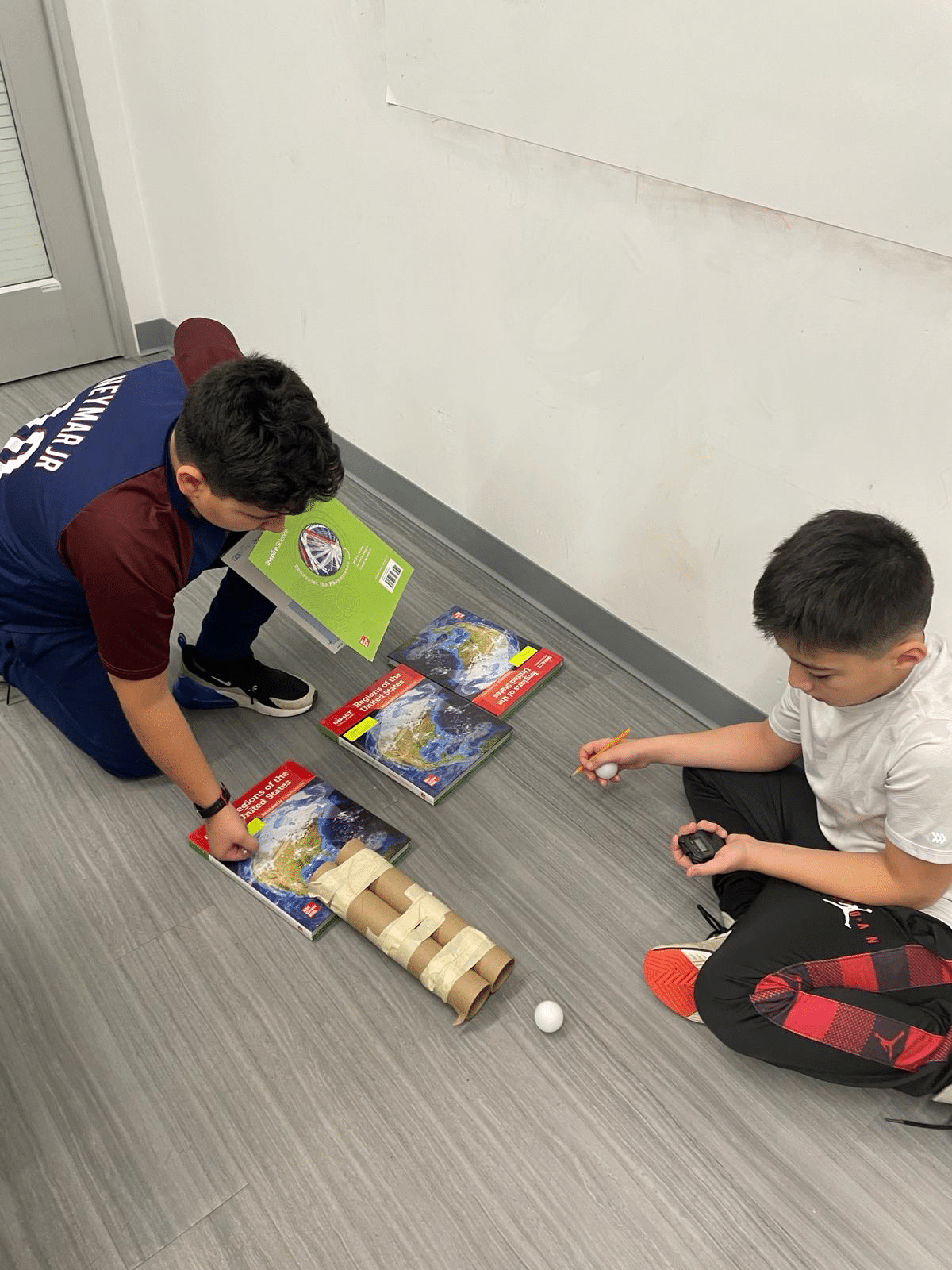 Constructed based on the principles of the Next Generation Science Standards, every student’s progression through our curriculum is directed by the 5Es, aiming to stimulate critical thinking and nurture the growth of inventive problem-solving abilities.
Engage: In the Engage phase, students are introduced to real-world scientific phenomena. As they initially observe and question, they uncover the preconceptions influencing their learning.
Explore: The Explore phase propels students into a sequence of inquiry-driven activities, enabling them to make assertions and substantiate their reasoning using the Claim, Evidence, Reasoning (CER) framework. This method fosters equitable access to fundamental science content through shared, phenomena-centered experiences and investigations.
Explain: Throughout the Explain phase, students expand on their prior explorations by assimilating various informational texts, supportive materials, and interactive tasks. Engaging with this content helps them refine close reading skills, conduct research, and deepen their comprehension of fundamental science concepts.
Elaborate: In the Elaborate phase, learning adopts an application-oriented approach, allowing students to link their knowledge to novel situations and cultivate a more profound grasp of the lesson’s concepts. This phase also introduces real-world STEM career prospects, encouraging students to contemplate potential career pathways.
Evaluate: In the Evaluate phase, students revisit the given phenomenon and showcase their understanding by addressing pivotal, phenomenon-based questions and completing a concluding performance task. Teachers can assess student progress towards meeting lesson objectives, offering remedial guidance if needed.
Our students engage in two to three inquiry activities per lesson, many of which involve kinesthetic, hands-on learning experiences known for their high engagement levels.
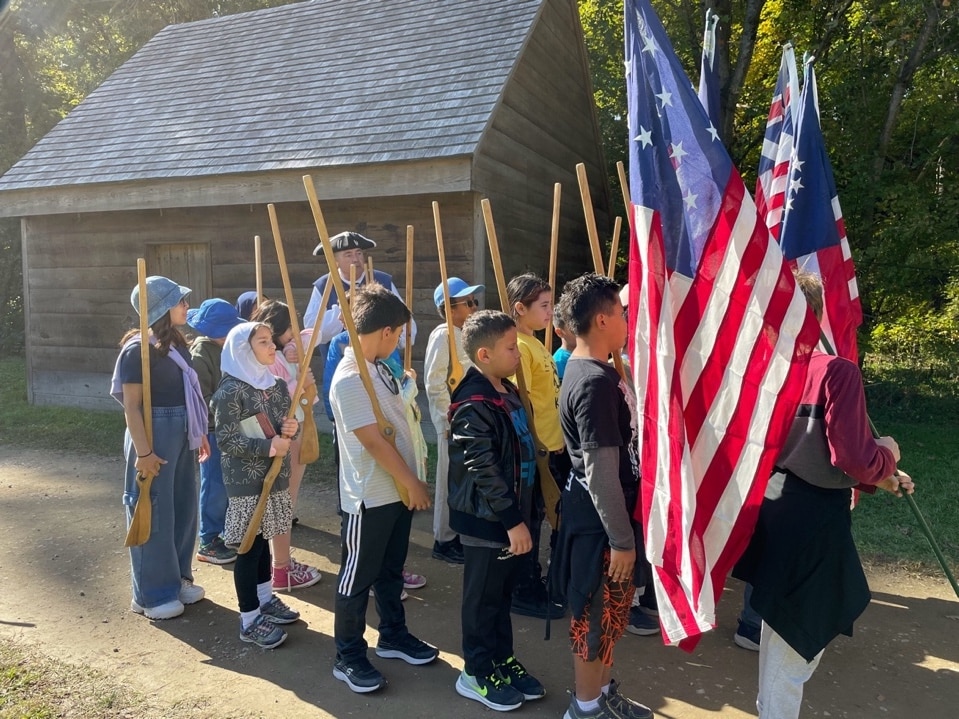 The key objective of our Social Studies program is to equip young learners to engage as proactive citizens, both within their local communities and on a global scale, within a continuously evolving world. Within this elementary social studi
es curriculum, students encounter chances to understand and implement principles of responsible citizenship. The educational materials and activities prioritize the cultivation of civic virtues and democratic ideals, nurturing students’ comprehension of their responsibilities within the community, the country, and the global sphere.
Fostering an environment that cultivates students’ capacity to comprehend the world around them is crucial. With our Social Studies program designed for grades K–8, students acquire foundational skills for critical thinking, develop a robust basis in reading and writing, and grasp the significance of responsible, active citizenship.